
How Dialectly was born
Dialectly didn't start in the United States. It started in Ukraine.
In early 2024, in the middle of the war, a small team launched soloviy — a free dictionary of Ukrainian regional speech. The idea was simple, and the motivation wasn't. We were watching a country fight to stay itself, and we wanted to record the part of identity that lives in everyday words: the way a grandmother in the Carpathians says вуйко instead of дядько; the way Lviv calls a bicycle a ровер; the way Kharkiv calls a coat hanger a тремпель. A thousand small inheritances that don't survive in a textbook but survive in a kitchen.
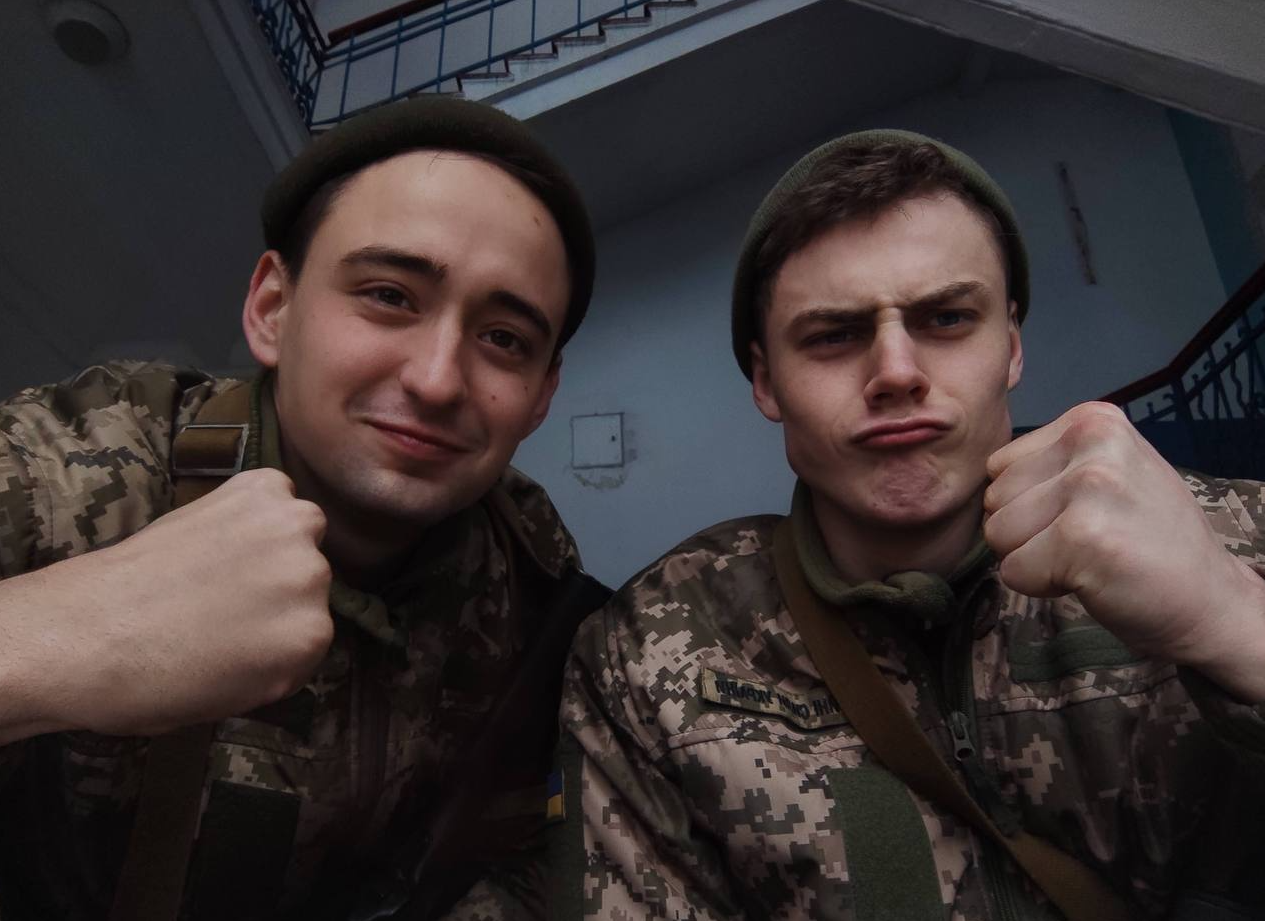
Two years on, soloviy holds more than fourteen thousand Ukrainian words across every region, with meanings, examples, and a place on the map. It's read every day by Ukrainians at home and abroad, by linguists, by schoolkids — and at least once a week by someone who has just heard a grandparent say a word they suddenly want to write down.
Why we crossed the ocean
The United States is a country built out of accents. Walk a hundred miles in any direction and the same English word can change meaning, change pronunciation, change a friendship: pop and soda and coke; y'all and yinz and youse; supper and dinner; lagniappe and "a little extra"; the Lake and the City and Up North. American regional English is one of the richest living things in the English-speaking world.
It also barely has a home of its own. The big dictionaries cover the standard; the academic ones cost two hundred dollars and live on a bookshelf; the slang sites are loud and not always honest; the dialect maps are beautiful but a decade old. There isn't a single clean, mobile, free place where you can look up a regional word, see what it means, see who actually says it, and read it on a map.
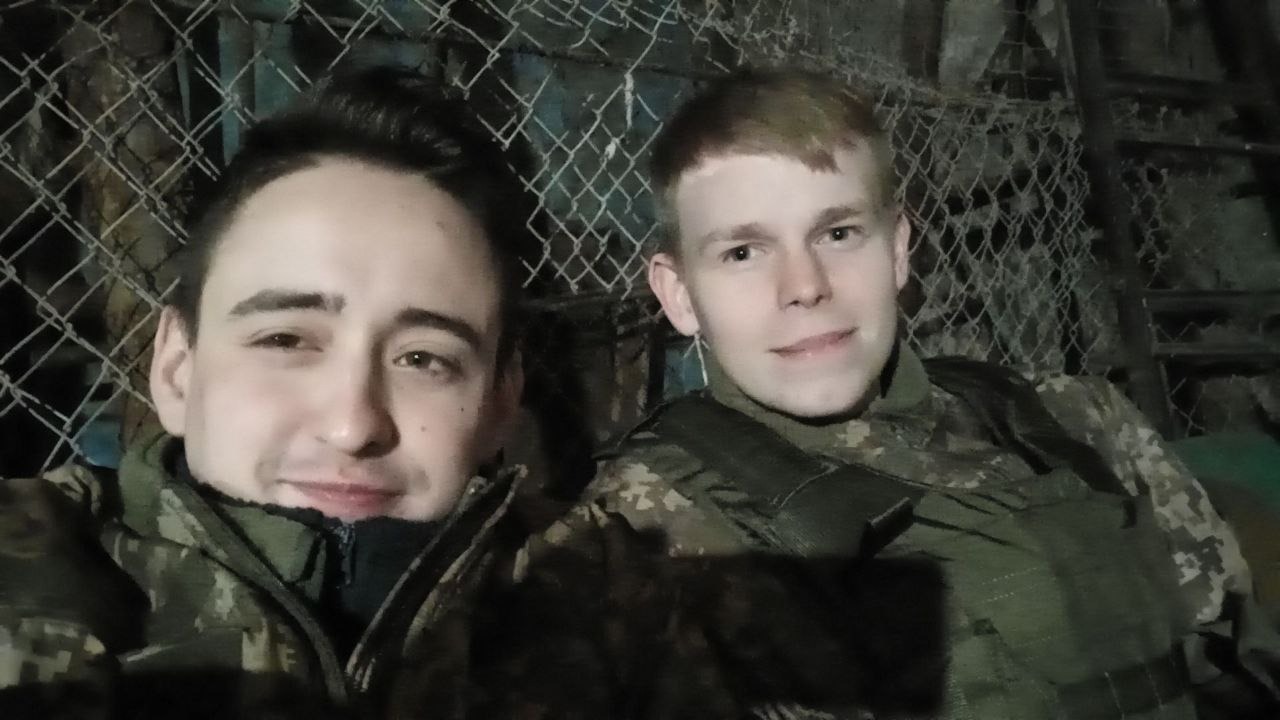
So we're trying. Dialectly is the same project as soloviy — in spirit and in code: every word tied to a place, every meaning open to read and cite, every map drawn from real entries. The hope is that you, like our readers back home, will find a word you recognize from a grandparent — and add one we haven't heard yet.
We'd love your help
This is an invitation. Browse a state. Open a word. Tell us what's wrong, what's missing, what your family says instead. Drop us a note at soloviy.app@gmail.com or follow along on Instagram (soloviy) — Dialectly doesn't have its own accounts yet, so until then the soloviy team's feed is the place to watch. If you find this useful, share it with someone who'd love it too. And if you want to see where the idea was born, you can read the original on soloviy.app.
Thank you for reading. We hope you stay.